Acute Medical Conditions
Restore stability. Support recovery. Rebuild functional strength.
Serious medical events such as stroke, cancer treatments, surgical interventions, and other acute health disruptions can impact mobility, energy, neurological function, and overall quality of life.
Recovery is complex and prolonged, with many patients experiencing lingering effects that limit their ability to return to normal daily function.
Infinite Medical provides advanced regenerative therapies designed to support the body's natural repair mechanisms during and after acute medical circumstances.
Through physician-led protocols using your own stem cells, we help patients support tissue recovery, reduce inflammation, and improve overall biological function.
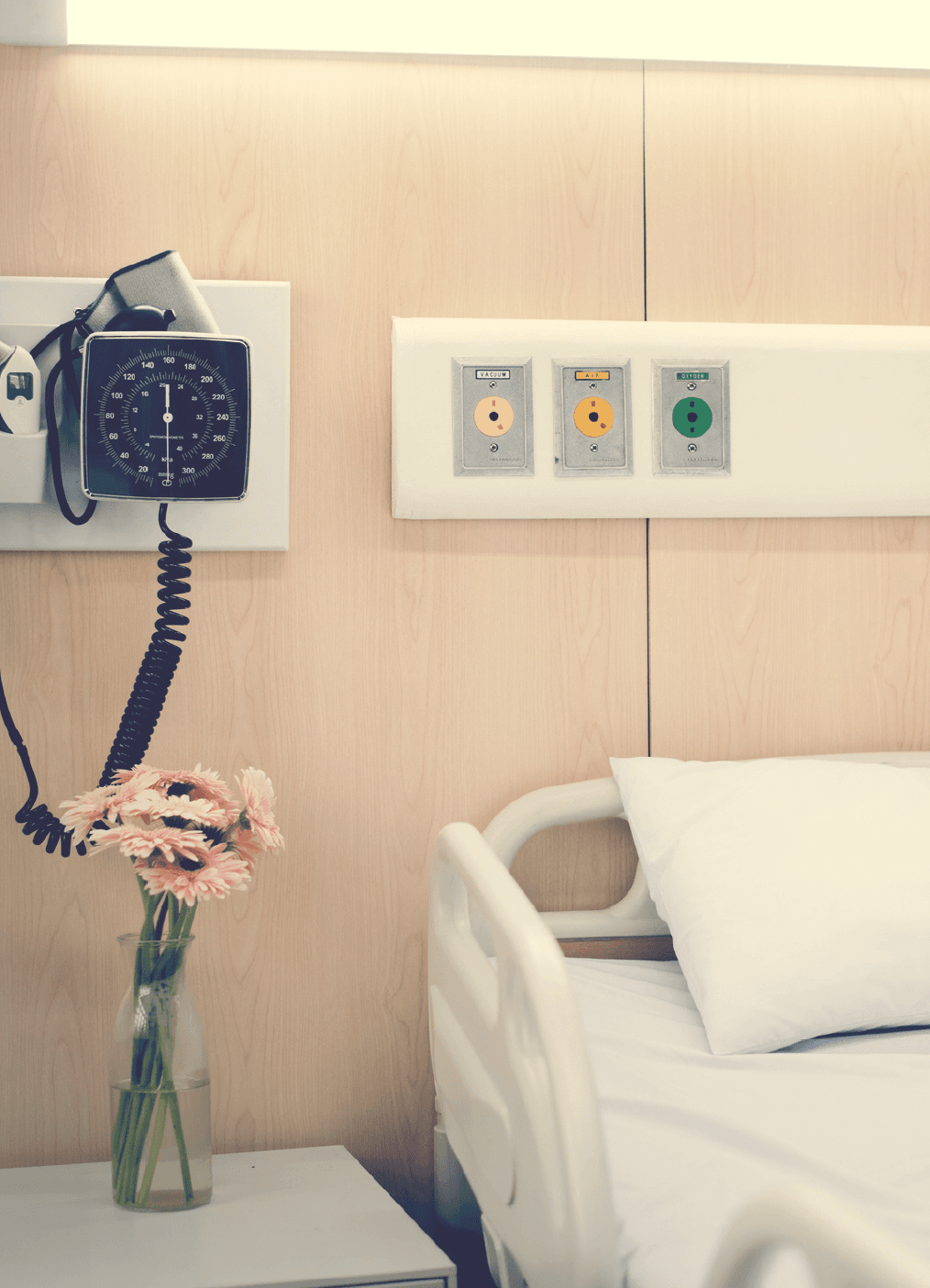
Why patients choose regenerative rehabilitation
Traditional recovery pathways focus on stabilization and symptom management following a medical event.
Our approach focuses on supporting the biological systems responsible for repair, regeneration, and functional recovery.
By increasing the availability of regenerative cells and optimizing the body's internal environment, we help patients:
 Support recovery following stroke and neurological events
- Support rehabilitation after cancer treatment
- Reduce inflammation associated with acute medical stress
- Improve mobility and physical function
- Strengthen overall biological resilience during recovery

Conditions commonly supported
- Stroke and neurological impairment
- Post-cancer treatment recovery
- Surgical recovery and tissue healing
- Severe inflammatory responses
- Acute medical events impacting mobility and strength
and other ailments resulting from acute medical situations...
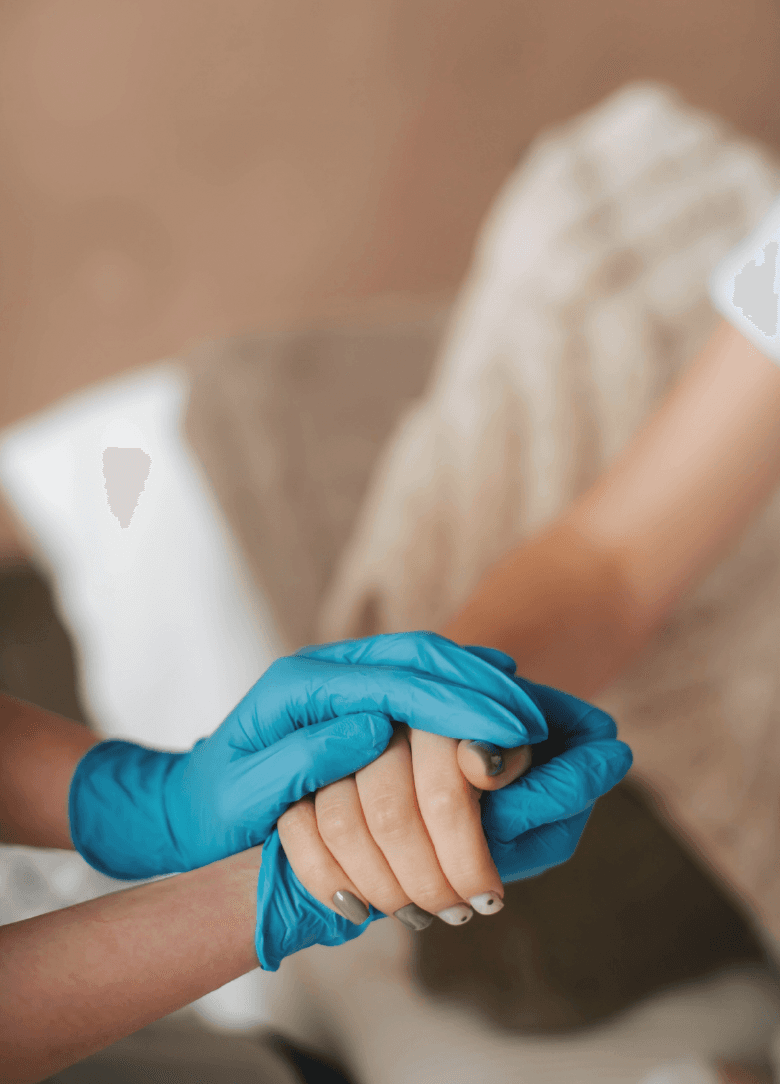
A comprehensive regenerative approach
Many of our patients are working to regain independence, rebuild physical capability, and restore a sense of normalcy following life-altering health challenges.
Each treatment plan includes physician-guided therapies designed to reduce inflammation, improve cellular communication, and optimize the internal environment before regenerative therapies are introduced.
By preparing the body in this way, regenerative cells can function more effectively and support improved recovery outcomes.
We help patients restore and rebuild the physical and biological stability needed to move forward with confidence.
Rebuild your body's capabilities
Frequently Asked Questions
Regenerative therapy for acute medical rehabilitation focuses on supporting the body's natural ability to repair and recover following major health events such as stroke, surgery, or cancer treatment. These physician-led therapies aim to improve biological function, reduce inflammation, and support the recovery process.
Regenerative therapies may support recovery following a stroke by promoting cellular repair, improving circulation, and supporting neurological function. Treatment suitability depends on the individual's condition and is determined during a medical evaluation.
Yes. Regenerative therapies may support recovery after cancer treatments by helping reduce inflammation, improve energy levels, and support tissue repair. Patients must be medically cleared, and treatment is coordinated with their healthcare team when appropriate.
No. Regenerative therapy is not a replacement for standard medical care or rehabilitation. It is designed to complement existing treatments by supporting the body's natural recovery processes.
Timing depends on the type and severity of the medical event, as well as the patient's overall health. A physician will evaluate when it is appropriate to begin regenerative therapy as part of a recovery plan.
When performed under physician supervision using a patient's own cells, regenerative therapies are designed to work with the body's natural biology. Safety and eligibility are carefully evaluated based on the individual's medical history and current condition.
Autologous stem cells are derived from the patient's own body. Using these cells helps reduce the risk of immune rejection and supports compatibility with the body's natural systems.
Results vary by individual. Some patients may experience improvements in mobility, strength, energy, or overall function, while others may see gradual progress over time as the body continues to recover.
Some patients notice early changes within weeks, while others experience gradual improvement over several months depending on the nature of their condition and recovery process.
Treatment plans are personalized. Some patients benefit from a single course of therapy, while others may require ongoing or staged treatments to support long-term recovery.
Most regenerative therapies involve minimal downtime. Patients can typically resume normal daily activities with guidance from their physician based on their recovery plan.
Candidates are typically individuals recovering from serious medical events such as stroke, cancer treatment, or surgery who are seeking additional support for recovery and improved functional outcomes.